Most respondents are young LGBTQIA+ people who are active online,mainly aged 18–34.
Age snapshot (demographic %)
No Data Found
No Data Found
Identity snapshot
Gay, lesbian, bisexual, queer and transgender respondents make up most of the sample, alongside smaller groups including asexual, pansexual, genderfluid, GNC and MSM.
ALERT DESK ZW:
TRACKING LGBTQIA+ DIGITAL
SECURITY
WhatsApp
Score: 2.6 / 5
WhatsApp one of the leading social media platforms where people stay connected daily-through private chats and group spaces. But safety can still be broken through group dynamics, screenshots, outing, and harassment.
How safe does it feel?
No Data Found
No Data Found
Safety Tip:
Tighten group privacy — control who can add you and limit who can see your profile photo/status.
ALERT DESK ZW:
TRACKING LGBTQIA+ DIGITAL
SECURITY
Facebook
Score: 1.8 / 5
Facebook is highly public-facing. Posts, comments, and shares can travel beyond your chosen circle. For queer users, visibility without protection can increase exposure to hate speech, harassment, and targeting. Here, local language slurs are very common
How safe does it feel?
No Data Found
No Data Found
Safety Tip:
Lock down your audience, limit who can comment/message and review tags before they appear on your profile.
ALERT DESK ZW:
TRACKING LGBTQIA+ DIGITAL
SECURITY
Instagram
Score: 2.5/ 5
Instagram can feel softer, but harm still happens in comments, DMs, and when content gets reshared beyond your control. “In-between” safety still means risk is present.
How safe does it feel?
No Data Found
No Data Found
Safety Tip:
Use comment filters + restrict direct messages DMs from strangers.
ALERT DESK ZW:
TRACKING LGBTQIA+ DIGITAL
SECURITY
X(Twitter)
Score: 2.2/ 5
X moves fast and content can become public discourse instantly. Queer voices can find community but also face pile-ons, hate speech, and targeted harassment. Just like Facebook, local language slurs are a norm.
How safe does it feel?
No Data Found
No Data Found
Safety Tip:
Use comment filters + restrict direct messages DMs from strangers.
ALERT DESK ZW:
TRACKING LGBTQIA+ DIGITAL
SECURITY
Where the worst hurt happens ( summary)
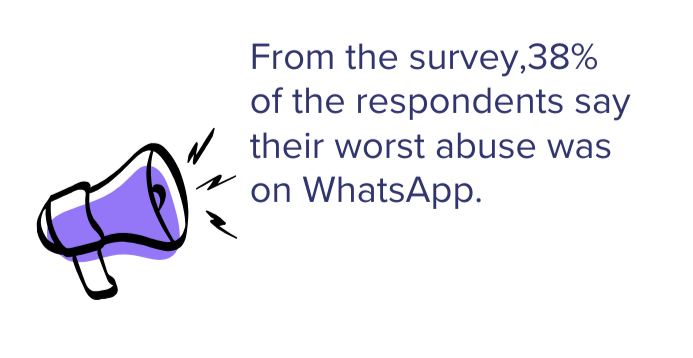
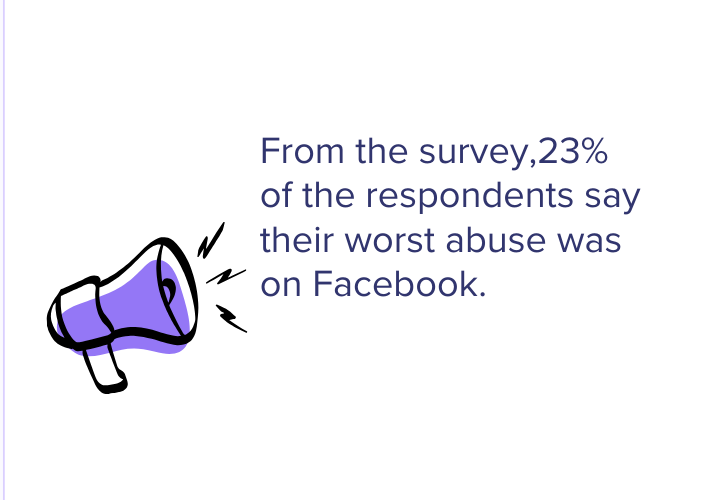
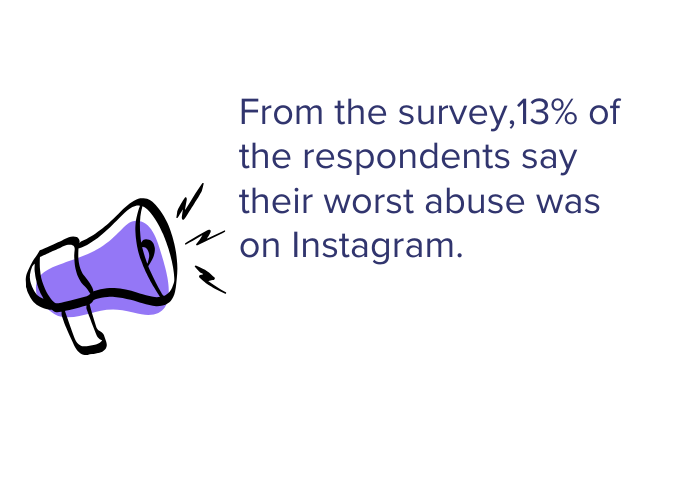
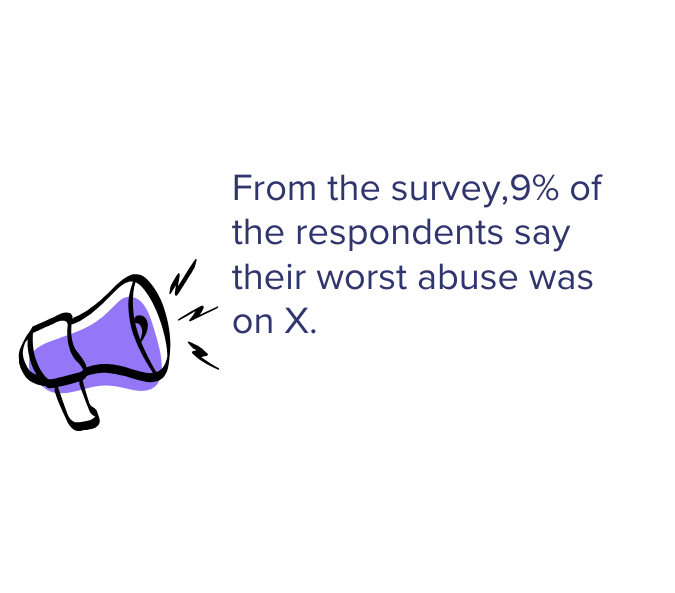
Where the worst hurt happens (Severe abuse reports) WhatsApp: 38% Facebook: 23% Instagram: 13% X (Twitter): 9% TikTok: 4% Dating apps: 4% Other: 9%
For many LGBTQIA+ Zimbabweans, the same apps that hold our friendships, group chats, organizing, and everyday check-ins are also where harm lands hardest. This isn’t happening “somewhere else”. It literally shows up in the spaces we use to feel close, to be seen, and to survive. When safety breaks in these familiar places, it doesn’t just hurt online; it follows people into their bodies, their relationships, and their daily choices.